

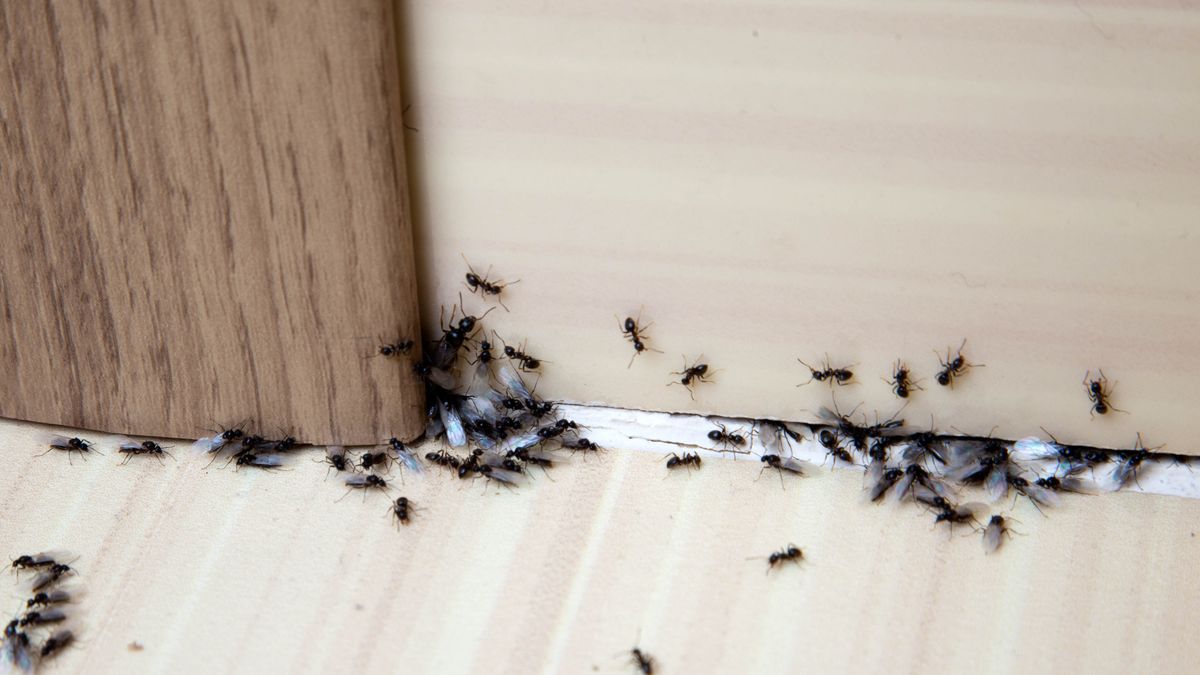
Nampa homeowners know the drill. You walkout onto your patio on a warm spring morning, coffee in hand, and see ants marching over the pavers like they owned the place. Somehow, your perfectly manicured lawn and carefully curated flowerbeds have become the very center of the ant universe.
That frustration turns to full-on fury when you discover that these colonies are not just on their way but call the underbelly of your outdoor living areas home. Getting a handle on why ants love Nampa yards so much is the first step in taking your yard back.
Pest control experts from saelapest.com have competent solutions that are effective if all else fails.
Nampa’s Outdoor Life vs. The Invisible Army
People in Nampa love to be outside. With 342 days of sunshine each year, patios and yards are like adding another room to the house in the city. The local lifestyle involves barbecues, gardening, and relaxing in the evenings. However, because these ants live beneath the surface, they receive little attention in numbers that very few humans ever see.
Here is what is happening underground:
- Ant colonies can consist of 300,000–500,000 worker ants.
- Colonies can also be just 50 feet away from each other.
- Nampa Properties Dominated By Pavement Ants And Odorous House Ants
- The kind of heat we have been experiencing recently will have ants looking for water close to houses
If you see a dozen ants on your patio, that is only a tiny percentage of the colony that is living just inches below where you stand.
The Desert Paradox: Irrigation Creates an Oasis
Nampa is located in Idaho’s Treasure Valley, an area with an average yearly natural precipitation of just 11.7 inches. One might expect life in such a semi-arid climate would prove challenging for ants, but that is not the case. Homeowners water lawns, gardens, and rich green scapes, making dry dirt the perfect ant habitat.
In order to thrive, these insects require moisture, food, and shelter. Irrigated yards in Nampa have left those in plentiful supply. The alternative watering and the temperature of the soil accelerate the explosion of ant colonies in microclimates. Those chilly evenings and those grumpy snoozers save only until the warmth of July burns to allow your sprinkler system to run, making urban five-star hotels for ants to move into new nests.
The Target Zones: Patios, Pavers, and Plant Beds
Ants do not build randomly. They are tactical, choosing places that provide shelter and necessities.
-
Patio and Paver Installations
The heat that hardscaping surfaces absorb and retain during the day also warms spaces that ants naturally gravitate towards. It is simple to dig through the sand base under pavers, and the spaces between stones give several access routes. Ants have a higher concentration on hardscaping (60% higher than open lawn areas) because these parameters provide excellent nesting conditions.
-
Landscape Beds and Edging
Moister garden beds due to mulch than the surrounding soil also attract ants looking for water. It also attracts aphids and other insects that ants farm for honeydew. Decorative rock edges also trap heat and hold moisture underneath, just the right conditions for a colony to spread. Research shows that properties with naturalistic landscaping can host 40% more colonies than yards with sparse landscaping.
Winning the Battle: The Sub-Surface Treatment Strategy
Most issues are short-term because surface sprays and DIY solutions either miss the queen or do not get to the heart of the colony. The real battle happens underground. A professional pest control company, such as Saela Pest Control, will target a nest directly through sub-surface treatments rather than just killing the visible workers of the colony. They use products carried by the ants back to the colony, wiping out the problem at its source.
In Nampa, colonies burrow down into the soil 12 to 18 inches deep, which fits well with this control method. Temporary relief versus actual removal is the ability to get to those hidden nests, where queens are still pumping out thousands of eggs a day.