Clean Hands, Safe Spaces: Why A Simple Sign Carries A Big Message
Walk into any restaurant, office, or public restroom, and you’ll likely see a familiar reminder near the sink: “Employees must wash hands before returning to work.” At first glance, it seems like a small, routine notice. But this sign represents something much larger than hygiene. It reflects the shared responsibility between businesses, employees, and the public to maintain a standard of health and trust in every space where people interact.
The History Behind the Sign
The employees must wash hands sign became common in the United States during the early to mid-20th century, following a rise in awareness about foodborne illnesses and workplace hygiene. As public health science evolved, it became clear that handwashing was one of the simplest and most effective ways to prevent disease transmission. Health departments began mandating these signs in commercial kitchens, healthcare facilities, and other environments where workers handle food or interact closely with others.
While the requirement may seem obvious today, it marked a major cultural shift at the time. Before widespread hygiene regulations, many outbreaks of illness were traced to poor sanitation practices. Posting handwashing signs wasn’t just a rule—it was an educational tool to reinforce good habits and public confidence.
Why the Message Still Matters
Despite being part of the background of our daily lives, this sign remains one of the most powerful tools for maintaining public health. Studies continue to show that handwashing can reduce the spread of infections by up to 40 percent. Even in the modern era of automated soap dispensers and touchless sinks, reminders still play a key role in influencing behavior.
When employees see that small sign before returning to work, it triggers a moment of accountability. It reminds them that their actions directly affect not only their own health but also the well-being of customers and colleagues. For businesses, displaying this notice shows compliance with regulations and a visible commitment to hygiene standards that customers notice and appreciate.
Beyond Compliance: A Culture of Cleanliness
For many companies, the employees must wash hands sign is more than a regulatory requirement—it’s part of a broader commitment to workplace safety and professionalism. Restaurants, in particular, understand that hygiene standards can make or break their reputation. One overlooked handwashing session could result in cross-contamination, leading to customer illness and negative publicity.
Forward-thinking employers are using these signs as a starting point for promoting a culture of cleanliness. Regular staff training, easily accessible hygiene stations, and leadership by example help reinforce that cleanliness is everyone’s job. Some businesses even personalize their signage to reflect brand tone, using humor or creativity to keep employees engaged.
Design and Placement: Subtle but Strategic
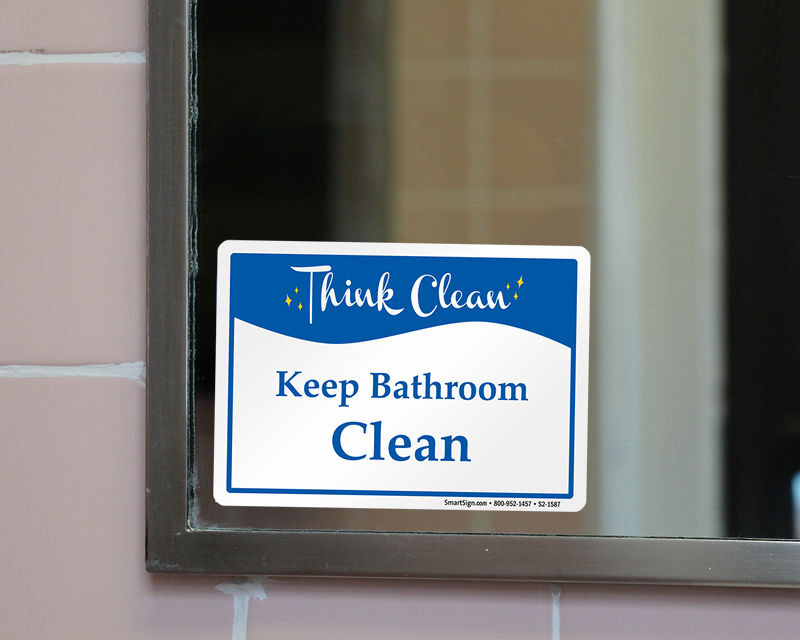
Though small, the design and placement of these signs matter. A well-designed employees must wash hands sign should be clear, easy to read, and positioned exactly where employees will see it before they leave the restroom or kitchen area. Common materials include durable plastic or stainless steel, especially in restaurants and healthcare facilities where cleaning is frequent.
Modern signage often incorporates symbols or bilingual text to ensure that everyone understands the message. Some companies are even adopting digital versions that play brief reminders or include motion-activated lighting for extra visibility. These subtle updates make the reminder harder to ignore and more effective overall.
Psychology of Reminder Signs
At its core, the sign’s power lies in behavioral psychology. Humans are creatures of habit, and visual cues help reinforce those habits over time. Seeing a handwashing reminder consistently conditions workers to take that extra step, even when they’re in a rush or distracted.
This principle is used in many workplace environments. Signs reminding workers to wear helmets, sanitize tools, or follow safety procedures all operate on the same logic: repetition creates routine. A simple reminder placed in the right spot at the right time can prevent costly mistakes or health risks.
What Customers Notice
Customers, too, are influenced by these signs. When people walk into a restroom and see a clean facility with clear hygiene signage, it signals that the business takes cleanliness seriously. It builds trust, especially in industries where sanitation is tied directly to safety—like dining, healthcare, and childcare.
A missing or dirty sign, on the other hand, can send the opposite message. It may seem minor, but customers subconsciously connect small details with overall quality. For many businesses, maintaining signs and facilities in pristine condition is part of their brand image and customer service promise.
Evolving Standards in a Post-Pandemic World
After the global pandemic, public awareness of hygiene skyrocketed. Businesses have doubled down on handwashing policies, and customers have become more observant than ever. What was once a routine regulatory requirement is now part of a larger conversation about public safety and trust.
Many workplaces have expanded their hygiene messaging beyond restrooms, placing reminders at entrances, break rooms, and even delivery stations. Digital signs, posters, and employee checklists all serve the same purpose: to make hygiene second nature. The humble employees must wash hands sign remains at the heart of this effort, continuing to symbolize a shared responsibility for community health.
A Small Sign with a Big Impact
In a world filled with complex health challenges, this simple piece of signage continues to make a real difference. It represents more than compliance—it’s a visible reminder of mutual respect between employees, employers, and the people they serve. Every time a worker takes that moment to wash their hands, they’re helping maintain a chain of trust that stretches far beyond the restroom door.
Small actions often lead to the biggest outcomes. The employees must wash hands sign might be an everyday sight, but its message carries weight. Clean hands mean safer spaces, healthier communities, and a better experience for everyone who walks through the door.