

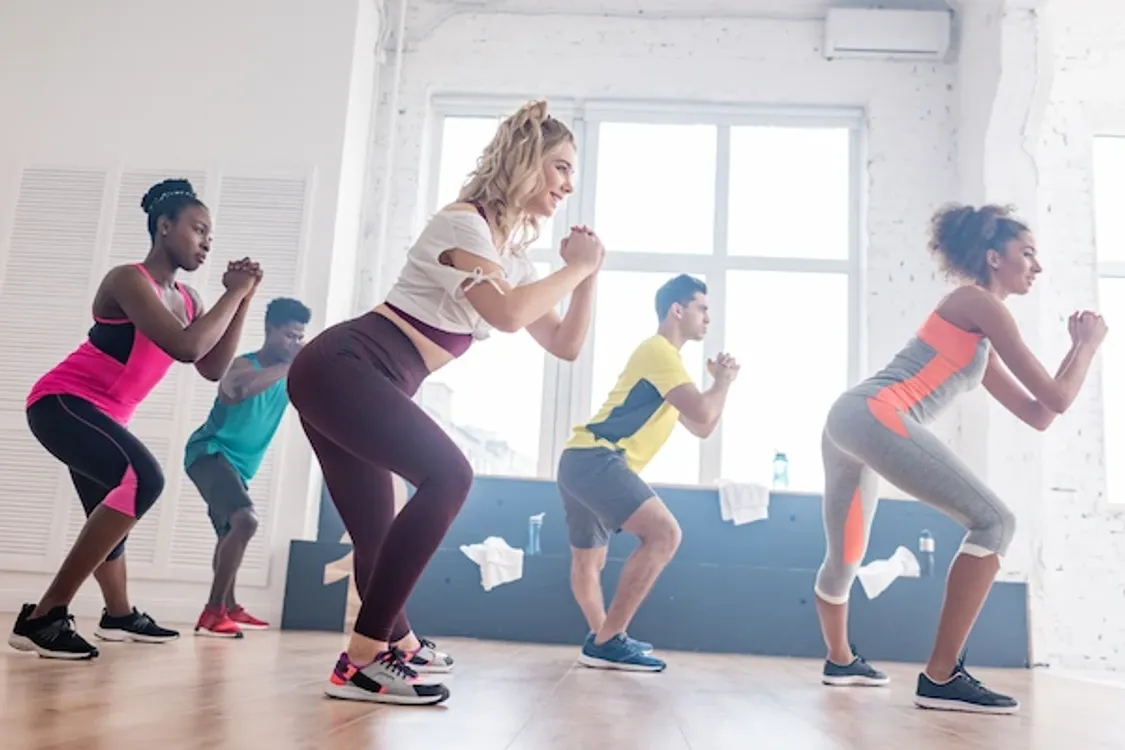
Experience makes Zumba choreography easier to follow, but familiarity can also encourage participants to chase speed or exaggerate every movement. Members attending zumba classes singapore can increase intensity more effectively through controlled range, deliberate weight transfer and purposeful arm action.
Higher effort should not require rushed footwork. The strongest progression makes the same movement more complete while preserving rhythm and joint control.
Increase Range Selectively
A deeper squat, wider side step or larger hip movement can increase muscular demand. Participants should not enlarge every movement simultaneously.
Range can be added where balance and timing remain stable. Fast transitions may still require smaller steps, while slower sections allow more depth.
Selective range produces a clearer training effect than uncontrolled exaggeration.
Use Stronger Weight Transfer
Experienced participants can move more deliberately from one foot to the other. This engages the legs and hips without requiring faster steps.
The body should arrive over the supporting foot before the next transition. Partial weight transfer can make movements look quick while reducing control.
Purposeful transfer also improves the quality of direction changes.
Add Arm Drive Without Losing the Torso
Larger arm patterns increase whole-body demand and can raise cardiovascular effort. The arms should move from a stable torso rather than pulling the participant off balance.
When footwork becomes complex, arm range can decrease temporarily. It can expand again once the lower-body pattern is secure.
This layered approach maintains technique while adding intensity.
Increase Precision Before Speed
A movement performed exactly on the beat with clear direction changes can be more demanding than a faster but incomplete version.
Precision requires muscular control and concentration. It also allows the participant to use a larger appropriate range without arriving late.
Speed should increase only when timing remains reliable.
Use Lower Positions With Control
Some tracks include squat-based or lunge-based patterns. Experienced participants may increase intensity by remaining slightly lower through selected sequences.
The knees and hips should continue tracking comfortably, and the participant must still be able to change direction. Dropping too low can delay transitions and create a collapse rather than a stronger movement.
A moderate sustained position is often more effective than repeatedly forcing maximum depth.
Make High-Effort Tracks Truly High Effort
Trying to maximise every song can flatten the class into one continuous level of fatigue. Participants may then lose quality before the final tracks.
A better strategy uses selected songs for greater effort and treats other sections as controlled work. This creates contrast and supports stronger performance during demanding intervals.
Intensity distribution matters as much as peak effort.
Improve Recovery Within the Class
Experienced participants can use lower-demand sections to regain breathing and movement quality. Recovery does not require stopping.
Smaller steps, reduced arm range and relaxed upper-body tension can lower effort while maintaining rhythm. This prepares the participant for the next demanding section.
Failing to recover turns later tracks into survival rather than purposeful training.
Avoid Adding Unplanned Jumps
Participants sometimes increase intensity by turning grounded movements into jumps. This changes the mechanical demand and may not match the choreography or available space.
Impact should be added only when the movement supports it and the participant can land under control. More jumping is not automatically better conditioning.
Strong grounded movement can produce substantial effort without additional impact.
Use Footwear That Supports Faster Movement
Experienced participants often generate greater force and use larger ranges. Footwear needs to remain stable during lateral steps and pivots.
A soft running shoe may feel comfortable but behave unpredictably during quick direction changes. Excessive grip can make turns difficult.
The shoe should suit the studio floor and the movement style rather than simply being the lightest option.
Monitor Technique Under Fatigue
Higher intensity remains useful only while movement quality stays within an acceptable range. Participants should watch for heavy landings, delayed turns and loss of balance.
These are signals to reduce one variable, such as range, arm drive or speed. The entire class does not need to become easy.
At True Fitness Singapore, experienced members can follow instructor progressions while choosing the level that preserves their own control.
Coordinate With the Rest of the Week
An experienced participant may attend several classes or combine Zumba with strength training. Increasing intensity changes the recovery demand.
Higher-effort sessions should be placed carefully around leg training, HIIT or other impact-based formats. The class cannot be evaluated in isolation.
Some visits may need to remain moderate so the wider programme continues to progress.
Advanced Participation Means Better Decisions
Experience should improve the ability to select effort, not simply the ability to move faster. Skilled participants know when to increase range, when to use stronger arm patterns and when to scale back.
The most effective intensity comes from deliberate movement repeated across the full class. Precision, weight transfer and controlled range allow experienced participants to work harder without letting enthusiasm turn choreography into sloppy motion.